Cherry Blossoms

Japanese Sports & Martial Arts

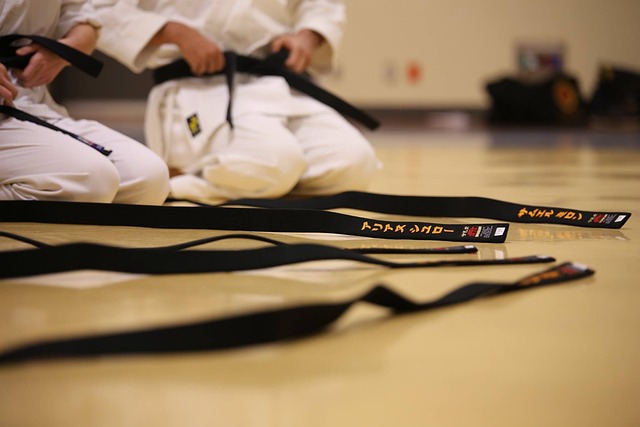
Two people in karate uniforms kneeling on a dojo floor with black belts on the floor

Sumo

Sumo wrestling is a deeply traditional Japanese sport where two large rikishi compete to push each other out of a circular, sacred ring... Sumo is a deeply spiritual sport rooted in Shinto traditions that have existed for over 1,500 years. Beyond the physical strength required to push an opponent out of the ring, or dohyo, wrestlers must adhere to a strict lifestyle within communal training stables. Here, every aspect of their day—from their diet of protein-rich chankonabe stew to the way they dress—is governed by rank and hierarchy. Before a match begins, athletes perform elaborate rituals like throwing salt to purify the ring and stomping their feet to drive away evil spirits, blending raw power with sacred Japanese history.

Kyudo

The art of Japanese archery remains a beautiful tradition... Kyudo, known as the "way of the bow," is a meditative martial art that emphasizes spiritual development alongside physical precision. Unlike western archery, practitioners use an exceptionally long, asymmetrical bow called a yumi, which requires unique positioning and a formal series of movements known as hassetsu. These eight stages of shooting are performed with extreme focus to ensure that the archer's spirit remains balanced and calm. Matches are often won by the archer who hits the target with the most grace and consistency, rather than through speed. Ranking follows a traditional Dan system, where higher grades reflect a deep mastery of form, etiquette, and mental discipline.

Karate

The ancient practice of karate emphasizes powerful strikes and discipline... Karate originated in the Ryukyu Kingdom (modern-day Okinawa) as a blend of indigenous fighting methods called Te ("hand") and Chinese martial arts brought by traders. Its development was heavily influenced by strict weapons bans imposed by Okinawan kings in 1477 and later by the Japanese Satsuma clan in 1609. With their swords confiscated, the local population refined unarmed techniques in secrecy to defend themselves. Over centuries, these practices evolved into regional styles like Naha-te and Shuri-te, eventually being introduced to mainland Japan in the early 20th century as the "way of the empty hand".

Judo

The gentle way of Japanese judo emphasizes balance... Judo, meaning "the gentle way," was founded in 1882 by Kano Jigoro as a physical, mental, and moral pedagogy. It originated from the older martial art of Jujutsu, which Kano redesigned to focus on safety and efficient energy use rather than lethal combat. Practitioners, known as judoka, progress through a ranking system denoted by colored belts (kyu) leading up to the black belt (dan). In competition, matches are won by achieving an ippon—a full point awarded for a decisive throw that lands the opponent on their back, or by a submission through pins, joint locks, or chokes. This focus on using an opponent's own force against them makes it a unique test of leverage and timing.