
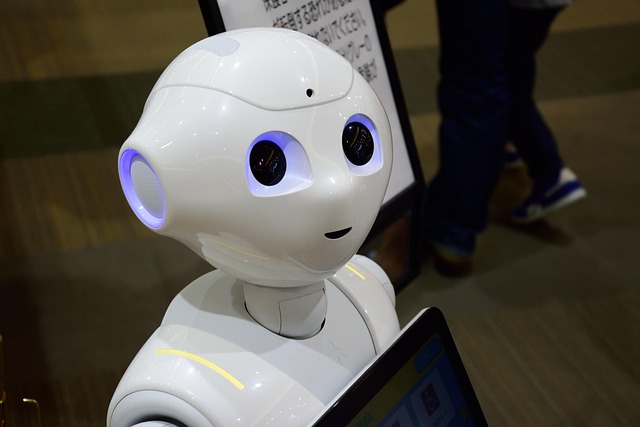
Robot Companions
Robots like Paro and LOVOT are designed to provide comfort and companionship to the elderly and lonely, alleviating worker shortages in care facilities. They use AI to detect emotions and provide social engagement, with some startups creating home helpers.
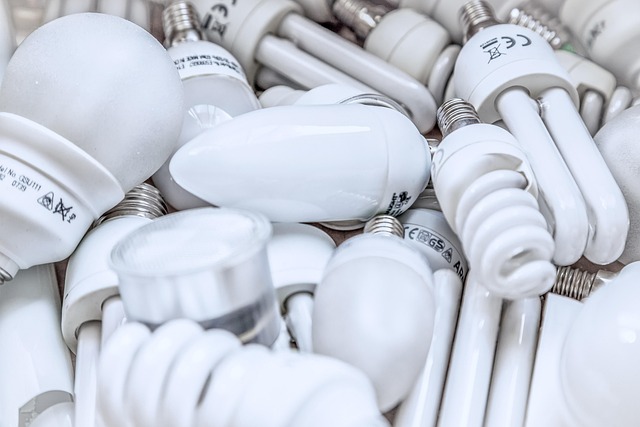
Waste-to-Energy
Japan focuses on reducing waste by converting it into usable energy to address limited space, often using advanced incineration technologies. This sustainable practice reduces landfill use while contributing to the country's energy grid.

Space-Bound Wood
Researchers are developing wooden satellites, such as LignoSat, which are expected to burn up harmlessly upon re-entering Earth's atmosphere, reducing space debris. This material holds up in space conditions while offering a more ecological alternative to metal.

Hyper-Efficient Toilets
Japanese toilets are renowned for features such as self-cleaning functionality, automatic lid opening, and water-saving technologies. Some advanced models even analyze waste for health monitoring, providing a routine health-check service.
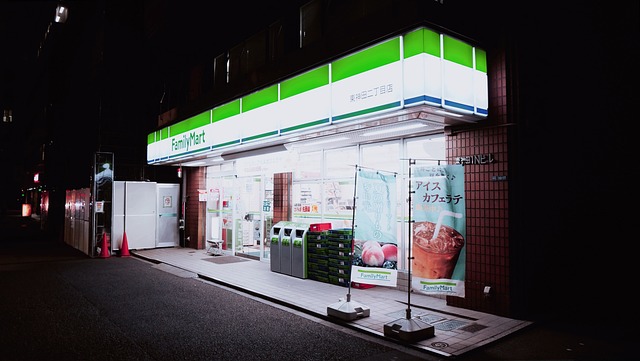
Automated Food Heating
Some Japanese lunchboxes feature a hidden pull-string that triggers a "flameless" chemical reaction to heat your meal anywhere. This clever design uses a quicklime pouch to steam the food to a perfect temperature in minutes.

Ultimate Precision
The Shinkansen, or bullet trains, operate with extreme precision, often running on a schedule accurate to the second. New initiatives include specialized robots to maintain tracks and power lines, enhancing safety and efficiency without needing human workers.